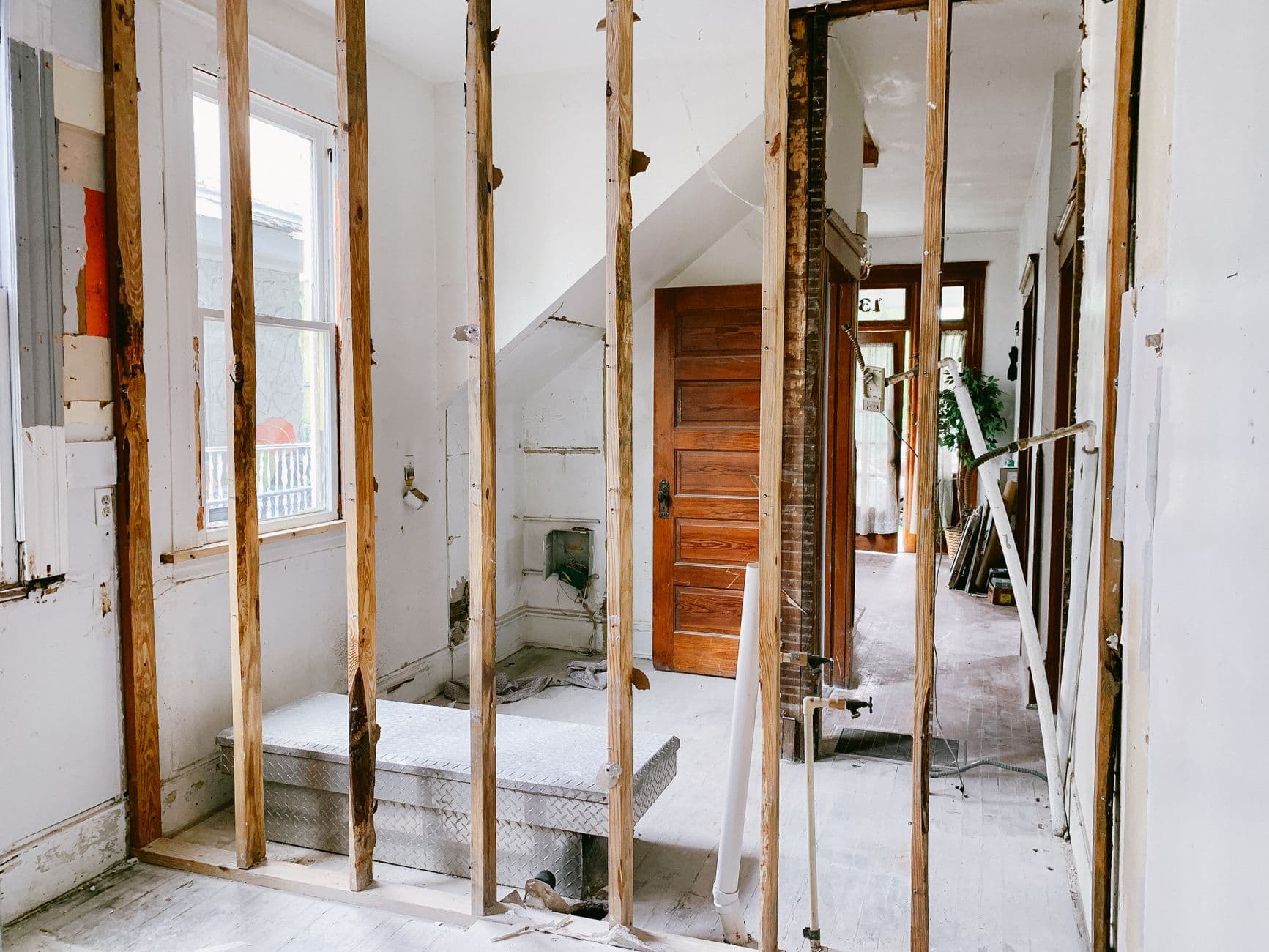
How much does a home renovation cost in Melbourne? (2026)
The short answer: $120,000 to $300,000 for a full home renovation in Melbourne. But that number is almost useless without context. Here is what each phase of a home renovation actually costs, what moves the price up, and how to get a fixed number you can plan around before you commit to anything.
Home renovation cost breakdown, Melbourne 2026
| Scope | Price range | What is included |
|---|---|---|
| Kitchen only | $25,000 to $55,000 | New cabinetry, benchtop, appliances, splashback, updated electrical and plumbing. No structural changes. |
| Bathroom only | $18,000 to $40,000 | Full strip and reline. Waterproofing, tiling, shower screen, vanity, tapware. One bathroom. |
| Kitchen + 1 bathroom | $50,000 to $90,000 | Both wet areas done in one mobilisation. Typically 6 to 8 weeks. |
| Full home (cosmetic) | $80,000 to $140,000 | Kitchen, bathrooms, flooring, painting, lighting. No walls moved, no structural work. |
| Full home (structural) | $140,000 to $300,000+ | Open-plan conversion, extension, or full gut and rebuild. Heritage homes and slab floors add cost. |
Ranges are for metropolitan Melbourne and current as at September 2026, assuming a standard 3-bedroom home footprint. Heritage homes, concrete slab floors, and council overlays all add cost and time.
Room-by-room cost guide
Kitchen: $25,000 to $55,000
The kitchen is the highest-cost single room in most renovation projects. Cabinetry, benchtop, appliances, splashback, tiling, plumbing and electrical all need to be coordinated and sequenced. A standard kitchen with flat-pack cabinets and laminate benchtop sits at the lower end. Custom joinery and engineered stone push to $50,000 and above.
Bathroom: $18,000 to $40,000 each
Per bathroom, including full waterproofing to AS 3740, tiling, shower screen, vanity and tapware. Ensuite renovations in smaller spaces typically sit at $18,000 to $24,000. A main bathroom with bath cavity runs $24,000 to $35,000. Multiple bathrooms done at once are more efficient because waterproofing and tiling trades are already on site.
Flooring: $8,000 to $25,000
For a 3-bedroom home (approximately 120 to 150m2 of living area). Engineered timber at $80 to $120 per m2 supply and lay is the most common choice for Melbourne renovations. Polished concrete adds cost but is increasingly popular for open-plan living areas. Tile work in living areas costs more per m2 than timber due to adhesive, grouting and the substrate work required.
Painting (internal): $6,000 to $15,000
Whole-of-home internal painting for a 3-bedroom home includes walls, ceilings, trims and doors. This varies significantly based on ceiling height, number of rooms, and whether walls need filling or re-lining. Homes with ornate cornicing (common in Melbourne's inner west terrace homes) take longer and cost more to paint properly.
Electrical upgrade: $5,000 to $15,000
Upgrading switchboard, adding power points, installing LED lighting throughout, and wiring for new appliances. Melbourne homes built before 1990 commonly need a full switchboard upgrade before renovation-level electrical work can be safely done. This is non-negotiable for insurance and safety purposes.
What pushes the total cost up
Structural changes
Moving load-bearing walls requires a structural engineer's report, a building permit, and a beam installation. This adds $8,000 to $25,000 per wall removed, depending on the beam span and the complexity of the connection to the roof structure. Most Melbourne open-plan conversions involve at least one load-bearing wall.
Heritage and council overlays
Melbourne's inner west and inner north suburbs (Footscray, Yarraville, Brunswick, Fitzroy, Northcote) have a high proportion of heritage-listed homes and council overlays. These restrict what you can change externally and sometimes internally. A builder who knows these overlays before they quote saves you from post-approval surprises. Some cosmetic changes that seem minor require a planning permit in these areas.
Concrete slab floors
Homes on concrete slabs (increasingly common in post-1980 Melbourne construction) make any plumbing relocation significantly more expensive. Moving a drain point requires concrete cutting at $150 to $200 per metre plus reinstatement. If the quote allows for plumbing moves, make sure it specifies whether the house is on a slab and what that means for the cost.
The condition of what is behind the walls
Old Melbourne homes have surprises: asbestos (pre-1990 textured ceilings and wall linings), rotted timber frames from past leaks, inadequate previous wiring, and non-compliant previous building work. A good builder prices a scope for what they expect and documents clearly in the contract how demolition surprises are handled, with your written approval before any variation is done.
Common questions
How much does a full home renovation cost in Melbourne?
A full home renovation in Melbourne typically runs $120,000 to $300,000 depending on size, scope, and finish level. A 3-bedroom home with kitchen, 2 bathrooms, flooring, painting and updated electrical runs $120,000 to $180,000 at mid-spec. If you are opening up the floor plan, adding a rear extension, or going full-spec on finishes, expect $200,000 to $350,000 and above.
Is it better to renovate room by room or all at once?
All at once is almost always cheaper. Trades mobilise once, scaffolding goes up once, supervision is consolidated. Room-by-room renovations done over 2 to 3 years cost more in total because you pay mobilisation costs multiple times and often undo work from previous stages to accommodate new ones. The exception is if cash flow genuinely requires staging, in which case do wet areas (kitchen, bathrooms) first, as they add the most value and the most disruption.
What adds the most cost to a home renovation?
Structural changes, moving wet areas, and heritage compliance add the most cost. Moving a load-bearing wall adds $8,000 to $25,000. Relocating plumbing on a slab floor adds $3,000 to $6,000. Heritage overlay approvals add 4 to 6 weeks to planning and can restrict your material choices. The other big variable is the finish level: custom joinery, engineered stone, and large-format tiling each add tens of thousands compared to standard specifications.
Do I need a building permit for a home renovation in Melbourne?
It depends on what is being done. Cosmetic changes (paint, new tiles over existing, fixture replacement) do not require a permit. Structural changes (removing walls, adding a room, touching the roofline), plumbing modifications, and electrical work beyond adding power points all require a building permit from the local council. A licensed builder will handle permit applications as part of the job. If a quote does not mention permits for structural work, ask why.
How long does a full home renovation take in Melbourne?
A full home renovation for a 3-bedroom home takes 12 to 20 weeks from demolition to handover, assuming no structural surprises and timely material deliveries. Add 4 to 6 weeks if council permits are required. Add another 4 to 6 weeks if heritage approval is needed. The best way to protect your timeline is a written construction programme in your contract, not just a verbal start and end date.
How much deposit can a builder legally ask for in Victoria?
Under section 11 of the Domestic Building Contracts Act 1995 (Vic), a builder must not demand a deposit of more than 5% where the contract price is $20,000 or more, or 10% where the contract price is under $20,000. Demanding more than that is illegal, and if a builder breaches the limit the owner may avoid the contract at any time before it is completed. An oversized deposit request is one of the clearest early warning signs on a renovation contract.
Does a Melbourne home renovation need Home Warranty insurance?
From 1 July 2026, Home Warranty replaced Domestic Building Insurance for new domestic building work in Victoria valued at more than $20,000 on buildings up to three storeys. The builder takes the cover out on your behalf, the Building and Plumbing Commission is the sole provider, and maximum cover is $400,000. Unlike the scheme it replaced, which paid out only if the builder died, disappeared or became insolvent, Home Warranty also covers work that is incomplete, defective or non-compliant where the builder is unable or unwilling to put it right.
How much contingency should I budget on top of the quote?
Budget 10% to 20% on top of the contract price. Renovations of older Melbourne homes sit at the higher end of that range, because rotted stumps, non-compliant previous building work and unexpected structural issues are commonly found once demolition starts. A contingency is not the same as a provisional sum written into your quote. It is your own reserve, held separately, for variations you agree to during the job.
Want the detail on a single room instead? Read kitchen renovation cost Melbourne or bathroom renovation cost Melbourne. Renovating an apartment, where body corporate approval and lift access change the numbers? See apartment renovation cost Melbourne. Before you sign anything, check what should be in a renovation quote. Deposit limits, Home Warranty cover and builder registration are all set by the Building and Plumbing Commission, and your rights under a domestic building contract are set out by Consumer Affairs Victoria. Every gutted. quote follows a site visit, never a phone estimate. See real completed jobs on our work page.
Ready to get a number?
Get a fixed-price quote for your renovation.
We walk the site, scope the job, and give you a written fixed-price number before any work starts. No provisional sums.